From Hidden Water Damage to Foundation Issues: 8 Costly Home Repairs Every Homeowner and Real Estate Buyer Should Know About
Some of the most expensive problems in a home do not begin with a major disaster. They start with a small leak, a minor crack, an unusual smell, or a maintenance task that keeps getting postponed.
A stain on the ceiling might seem harmless. A slow drain may not feel urgent. A small crack in the foundation might look like normal wear and tear. But when these warning signs go unnoticed, they can sometimes develop into serious problems that require extensive repairs.
For homeowners, understanding these risks is an important part of protecting one of their largest financial investments. For homebuyers, recognizing potential problems can make the difference between a confident purchase and unexpected expenses after closing.
The good news is that many costly home repairs provide early warning signs. Knowing what to look for, when to investigate, and when to call a professional can help prevent minor issues from becoming major financial setbacks.
Here are eight of the most expensive home problems, how they typically begin, and what homeowners can do to reduce their risk.
1. Water Damage: The Small Leak That Becomes a Major Repair
Water damage is one of the most financially significant problems a homeowner can face because it can affect multiple parts of a property at once.
A small plumbing leak beneath a sink, a damaged roof flashing, or a loose connection behind a washing machine can allow moisture to spread into flooring, drywall, insulation, and structural materials.
What makes water damage particularly concerning is that it often develops in places homeowners rarely inspect.
According to the Insurance Information Institute, water damage and freezing claims averaged approximately $15,400 per claim during the 2019 to 2023 period. Actual losses vary significantly depending on the cause and extent of damage.
How water damage usually starts
A slow leak beneath kitchen or bathroom fixtures
Deteriorating seals around bathtubs and showers
Aging washing machine hoses or plumbing connections
Roof leaks that allow moisture into the attic
Clogged gutters that direct water toward the house
Early warning signs
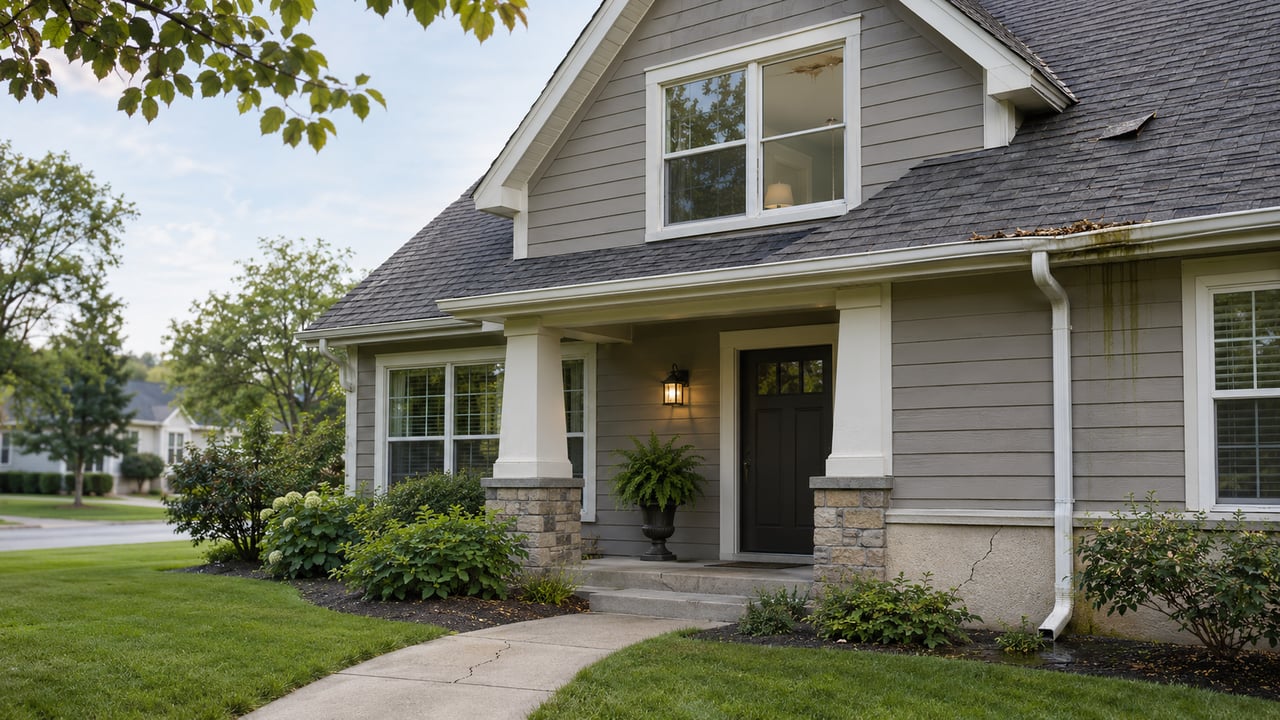
Look for discoloration on ceilings, bubbling paint, warped flooring, damp cabinets, or a persistent musty smell. An unexplained increase in water usage may also indicate a hidden plumbing leak.
How to prevent expensive water damage
Inspect plumbing connections periodically, replace damaged hoses and seals, and investigate unusual moisture immediately. Water leak detectors can also provide an early alert in vulnerable areas.
The most important step is to address the source of the leak rather than simply repairing the visible damage.
A small plumbing repair today may prevent the need to replace cabinets, flooring, or entire sections of drywall later.
2. Foundation Problems: When Small Cracks Signal Bigger Issues
A home's foundation supports the entire structure. When something affects its stability, the resulting repairs can become complicated and expensive.
Foundation problems do not always begin with obvious structural movement. Some develop gradually as soil conditions change, drainage systems fail, or moisture accumulates near the property.
Not every foundation crack represents a serious structural concern. However, certain patterns of cracking or movement deserve professional evaluation.
How foundation problems usually start
Common contributing factors include poor drainage around the home, soil expansion and contraction, plumbing leaks beneath the structure, and improper grading.
When water consistently collects near a foundation, it can contribute to soil movement or create pressure against basement walls.
Early warning signs
Homeowners should pay attention to:
Cracks that widen or continue growing
Stair-step cracks in brick or masonry
Doors and windows that suddenly become difficult to close
Uneven or sloping floors
Basement walls that appear to bow inward
How to reduce foundation risks
Keep gutters and downspouts functioning properly and direct water away from the foundation. Monitor changes in existing cracks and investigate drainage problems before they worsen.
If signs of structural movement appear, a qualified structural engineer can help determine the underlying cause.
Foundation repairs are not always avoidable, but early identification can provide more options before damage progresses.
3. Roof Damage: The Problem Homeowners Often Notice Too Late
A roof does more than protect a home from rain and snow. It also helps protect insulation, ceilings, walls, and other components from moisture.
When roofing materials begin to fail, water can enter through damaged shingles, deteriorated flashing, worn seals, or improperly installed roof penetrations.
The damage may remain hidden in the attic long before water stains appear inside the living space.
How roof problems usually start
Roof damage can begin with:
Missing or cracked shingles after severe weather
Aging flashing around chimneys and vents
Blocked gutters that interfere with drainage
Improper installation or previous repairs
Damage caused by falling branches
Early warning signs
Visible roof deterioration, granules collecting in gutters, damp attic insulation, and ceiling discoloration can indicate potential issues.
In cold climates, recurring ice dams may also suggest problems involving heat loss, ventilation, insulation, or roof drainage.
How to prevent costly roof repairs
Arrange roof inspections when appropriate, particularly after major storms or when the roof approaches the later stages of its expected service life.
Keep gutters clear and have damaged roofing components repaired promptly.
A roof does not necessarily need to leak heavily to cause significant interior damage. Even limited water intrusion can create problems when it continues over time.
4. Mold Growth: The Hidden Consequence of Uncontrolled Moisture
Mold is often treated as an isolated cleaning problem, but persistent mold growth usually indicates an underlying moisture issue.
It can develop behind walls, beneath flooring, around windows, inside poorly ventilated bathrooms, or in basements with ongoing humidity problems.
The challenge is that cleaning the visible mold without correcting the moisture source may allow the problem to return.
The U.S. Environmental Protection Agency explains that controlling moisture is central to preventing indoor mold growth. The agency recommends drying damp materials within 24 to 48 hours after water exposure to reduce the likelihood of mold development.
How mold problems usually start
Mold can develop when moisture remains trapped because of leaking pipes, roof intrusion, condensation, flooding, or inadequate ventilation.
Early warning signs
Common indicators include persistent musty odors, visible discoloration, recurring condensation, damp materials, and previous water damage that was never fully addressed.
How to prevent a larger mold problem
Control indoor humidity, use ventilation in bathrooms and kitchens, repair leaks quickly, and ensure water-damaged materials are dried thoroughly.
For extensive contamination or significant water damage, professional assessment and remediation may be necessary.
The goal is not simply to make the affected surface look clean. It is to correct the conditions that allowed the mold to grow.
5. HVAC Failure: When Deferred Maintenance Leads to System Replacement
Heating and cooling systems are among the more expensive mechanical components of a home.
An unexpected furnace or air conditioning failure can create financial pressure, especially when replacement becomes necessary during extreme weather.
Although HVAC equipment has a limited service life, neglected maintenance can contribute to avoidable breakdowns and reduced operating efficiency.
How HVAC problems usually start
Potential causes include restricted airflow from dirty filters, neglected maintenance, electrical component wear, blocked condensate drains, and aging mechanical parts.
A system that repeatedly struggles to maintain comfortable temperatures may be signaling an issue that deserves investigation.
Early warning signs
Watch for inconsistent room temperatures, unusual noises, weak airflow, frequent cycling, unexplained utility bill increases, or moisture around indoor HVAC equipment.
How to reduce the risk of HVAC failure
Replace filters according to the manufacturer's instructions, keep vents and outdoor equipment unobstructed, and schedule professional maintenance as appropriate.
If a system begins showing performance problems, have it evaluated before assuming replacement is required.
Regular maintenance cannot prevent every equipment failure, but it can help identify developing problems and support more predictable long-term expenses.
6. Sewer Line Problems: The Underground Repair That Can Surprise Homeowners
Sewer lines are among the least visible parts of a property, yet they perform an essential function every day.
Because these pipes are buried underground, homeowners may not realize something is wrong until wastewater begins backing up into the home or multiple drains stop functioning properly.
Depending on the location and severity of the problem, repairs can involve specialized equipment, excavation, landscaping restoration, or replacement of damaged pipe sections.
How sewer line problems usually start
Sewer issues may develop because of aging pipes, tree root intrusion, shifting soil, corrosion, or recurring blockages.
Older properties can be particularly vulnerable when original sewer materials have deteriorated over time.
Early warning signs
Potential warning signs include:
Multiple drains backing up at the same time
Gurgling sounds from toilets or drains
Persistent sewage odors
Recurring clogs despite repeated cleaning
Unusually wet areas of the yard
How to prevent expensive sewer repairs
Avoid flushing inappropriate materials, dispose of grease properly, and investigate recurring drainage problems rather than treating them as isolated clogs.
For older homes or properties with suspected sewer issues, a professional sewer camera inspection can help assess pipe conditions.
Homebuyers may also want to consider a sewer inspection before purchasing a property, particularly when the home has aging underground infrastructure.
7. Electrical Problems: Small Warning Signs With Serious Consequences
Electrical issues deserve immediate attention because they can affect both property safety and the functionality of a home.
Older wiring, overloaded circuits, deteriorating connections, or improperly completed electrical work can create hazards that are not always visible during everyday use.
Some problems begin with something as simple as a frequently tripping breaker or an outlet that feels unusually warm.
How electrical problems usually start
Electrical concerns can result from outdated components, loose connections, overloaded circuits, water exposure, or modifications that were not completed properly.
In older homes, electrical systems may also struggle to accommodate modern appliance and technology demands.
Early warning signs
Homeowners should never ignore frequently tripping breakers, buzzing outlets, flickering lights, burning odors, or signs of overheating.
How to prevent costly electrical problems
Have unexplained electrical issues evaluated by a licensed electrician.
Avoid overloading outlets and extension cords, use appropriate safety devices, and ensure electrical improvements comply with applicable codes.
If an outlet or electrical panel shows signs of overheating, stop using the affected equipment and seek qualified assistance.
Electrical repairs may involve an upfront expense, but addressing safety concerns promptly is far preferable to allowing a potentially dangerous condition to continue.
8. Pest and Termite Damage: Structural Deterioration That Can Remain Hidden
Termites and other wood-destroying pests can cause significant property damage before homeowners realize an infestation exists.
Unlike a broken appliance or visible plumbing leak, pest damage may develop inside walls, beneath flooring, or around structural framing.
In some cases, homeowners notice the problem only after wood has weakened or visible evidence of an infestation appears.
How pest problems usually start
Conditions that can increase the risk of pest activity include moisture accumulation, wood in contact with soil, untreated entry points, and existing infestations around a property.
Risk varies by region, climate, construction type, and the species involved.
Early warning signs
Potential indicators include hollow-sounding wood, damaged trim, discarded wings, mud tubes, unexplained wood deterioration, or visible pest activity.
How to prevent expensive pest damage
Address moisture problems, keep landscaping and wood materials from creating easy entry points, and arrange inspections when signs of pest activity appear.
Homeowners in areas with significant termite activity may benefit from periodic evaluations by licensed pest professionals.
Before purchasing a home, buyers should also understand whether a wood-destroying organism inspection is recommended or customary in their market.
Which Home Problems Should You Prioritize First?
Not all maintenance issues carry the same level of risk. A cosmetic repair can often be scheduled around a homeowner's budget, while an active leak or electrical hazard may require immediate attention.
The following overview helps distinguish between common warning signs and appropriate next steps.
Home problem | Common early sign | Recommended response |
|---|---|---|
Water damage | Damp spots or warped materials | Promptly identify and stop the leak |
Foundation issues | Growing cracks or structural movement | Arrange a structural assessment |
Roof damage | Missing shingles or ceiling stains | Schedule a roof inspection |
Mold growth | Musty smells or recurring moisture | Correct moisture and assess contamination |
HVAC failure | Weak airflow or unusual noises | Arrange professional servicing |
Sewer problems | Repeated backups or slow drains | Request plumbing evaluation |
Electrical problems | Burning smell or hot outlets | Stop using affected equipment and seek urgent professional help |
Termite damage | Mud tubes or deteriorating wood | Arrange a pest inspection |
The urgency of any repair depends on its severity. Active flooding, suspected electrical fires, and unsafe structural conditions require immediate safety measures.
Why Home Maintenance Matters When Buying or Selling Real Estate
Home maintenance is not just about comfort and functionality. It can also influence a property's marketability, buyer confidence, and long-term ownership costs.
For buyers, a beautiful kitchen or updated bathroom should never replace a careful evaluation of the home's major systems. Roof condition, foundation performance, plumbing, electrical components, and evidence of water intrusion can be more important financially than cosmetic finishes.
A general home inspection provides valuable information, although specialized inspections may be necessary for issues outside the scope of a standard inspection.
For sellers, unresolved maintenance concerns can complicate negotiations, create uncertainty during the inspection period, or influence a buyer's perception of the property's condition.
Keeping maintenance records, addressing known defects, and understanding the condition of major home systems can help sellers prepare more confidently.
For real estate professionals, educating clients about these risks is part of providing meaningful guidance beyond the transaction itself.
An informed buyer can evaluate the true cost of homeownership more effectively. An informed seller can make better decisions about which improvements deserve attention before listing.
Frequently Asked Questions About Expensive Home Repairs
What is the most expensive problem a house can have?
Major structural damage, extensive foundation failure, severe fire damage, and widespread water damage can be among the most expensive residential problems. The total cost depends on the home's size, location, construction, and severity of the damage. Problems that affect multiple systems simultaneously often result in especially costly repairs.
What home problems are most likely to go unnoticed?
Hidden plumbing leaks, roof leaks, sewer deterioration, pest damage, and moisture behind walls can remain undetected for extended periods. These issues often develop in areas homeowners rarely see, making routine inspections and early warning signs particularly important.
What should homebuyers inspect before purchasing a house?
Homebuyers should pay close attention to the roof, foundation, plumbing, electrical system, heating and cooling equipment, drainage, and signs of moisture damage. A qualified home inspector can evaluate visible and accessible conditions, while specialists can assess concerns requiring further investigation.
Can regular home maintenance actually save money?
Yes. Preventive maintenance can reduce the likelihood that smaller problems develop into extensive damage. Cleaning gutters, addressing plumbing leaks, maintaining HVAC equipment, and checking for moisture intrusion can help homeowners manage repair expenses more effectively. Not every failure is preventable, but timely maintenance can reduce avoidable risks.
Does homeowners insurance cover expensive home repairs?
Coverage depends on the policy and the cause of damage. Homeowners insurance generally focuses on covered events rather than ordinary wear, gradual deterioration, or neglected maintenance. Some types of damage may also require endorsements or separate policies. Homeowners should review their coverage and speak with their insurance provider about exclusions and limitations.
Should homeowners fix major problems before selling?
It depends on the condition, cost, market circumstances, and potential effect on a sale. Some repairs can improve buyer confidence and reduce negotiation complications, while others may be better addressed through pricing or negotiated terms. Sellers should understand applicable disclosure requirements and consult qualified professionals before deciding how to proceed.
The Bottom Line: The Most Expensive Home Problems Often Begin With Small Warning Signs
Homeownership comes with ongoing responsibilities, but recognizing problems early can make those responsibilities easier to manage.
A minor roof leak, an unexplained crack, a slow drain, or a damp basement should not automatically cause alarm. However, these signs deserve attention because they may reveal issues that become more complicated with time.
The most effective approach is to stay informed, maintain the property consistently, and seek professional guidance when conditions change.
For buyers, understanding common home problems creates a stronger foundation for evaluating a property. For sellers, staying current with maintenance can support a smoother transaction and help preserve the home's appeal.
And for homeowners who are not planning to move anytime soon, preventive maintenance remains one of the smartest ways to protect their investment.
A well-maintained home is not necessarily a home without problems. It is a home where problems are recognized, investigated, and addressed before they become larger.
Whether you are buying, selling, or simply planning for the future, Sabrina Glover and The Glover Team believe that informed real estate decisions begin with understanding the property itself. From evaluating home condition to preparing for a sale, having experienced guidance can help you approach your next move with greater confidence.
For more real estate insights and practical homeownership advice, connect with The Glover Team.
Sources and Further Reading
The following resources provide additional information about home damage, maintenance, and prevention.