What Makes a Community Feel Like Home? The Features Buyers Value Most When Choosing Where to Live
Why “Home” Is About More Than the House You Buy
When people begin searching for a home, they often start with bedrooms, bathrooms, square footage, and price range. But after working with enough buyers, one truth becomes clear: people rarely fall in love with a house alone.
They fall in love with how a place feels.
The strongest communities create something difficult to measure but easy to recognize. They create comfort, connection, convenience, and confidence that this is where life will happen. Whether someone is relocating, moving up, downsizing, or purchasing their first home, understanding what makes a community feel like home can dramatically shape the buying decision.
For buyers exploring Downers Grove and surrounding communities, this question matters more than ever because choosing the right neighborhood often matters just as much as choosing the right property.
What Actually Makes a Community Feel Like Home?
Walkability and Everyday Convenience Matter More Than People Realize
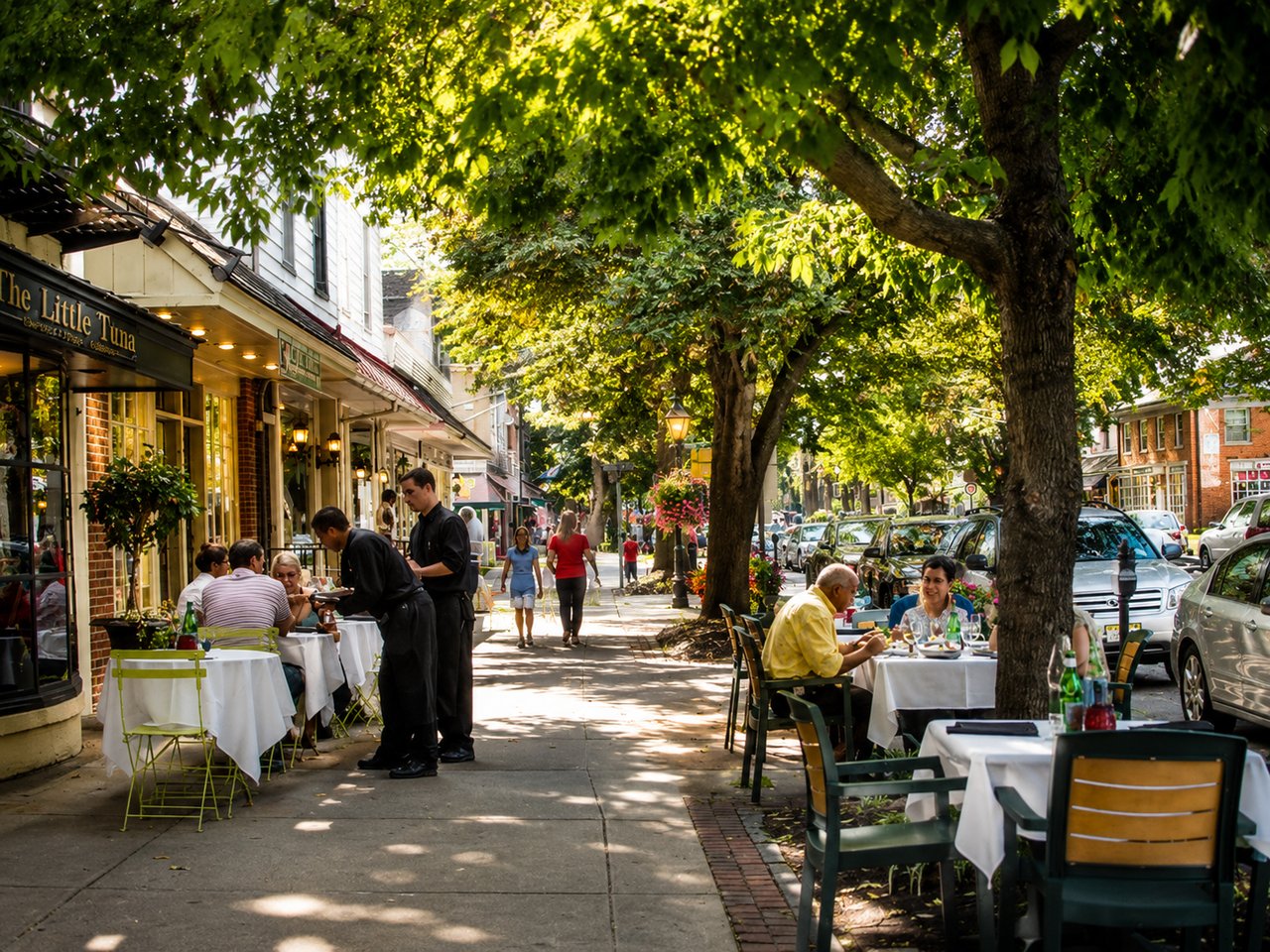
A community often starts feeling like home when everyday life feels easier, with nearby access to grocery stores, restaurants, parks, schools, fitness centers, healthcare, and gathering spaces that naturally become part of your routine. Communities with walkable areas, vibrant downtowns, and convenient amenities often create stronger emotional connections because people spend less time commuting and more time enjoying where they live.
Strong Communities Create Opportunities for Connection
A community feels like home when people feel connected to the place around them, not just the property itself. Local events, farmers markets, parks, recreation programs, gathering spaces, and neighborhood traditions create the everyday interactions that build familiarity, which is why buyers are often searching for a neighborhood where they can truly picture their life unfolding, not simply a place to live.
Great Schools Affect More Than Families With Children
One of the biggest misconceptions in real estate is that schools only matter to families with children. In reality, school reputation often impacts buyer demand, resale potential, property values, and overall neighborhood perception because even buyers without kids understand that future buyers will likely care, making strong school systems an important part of what gives communities long term appeal.
Safety and Comfort Shape Daily Life
When buyers describe communities that feel like home, they rarely start with statistics. More often, they talk about how a place feels: being comfortable walking at night, seeing neighbors outside, letting kids play outdoors, supporting local businesses, and enjoying well maintained public spaces, because that sense of comfort usually comes from many small factors working together to shape everyday life.
Parks, Green Space, and Outdoor Access Have Become Bigger Priorities
Commute Times Still Matter, But Flexibility Changed Buyer Priorities
For years, commute time was one of the biggest drivers behind home searches. Today, many buyers are asking a different question: not simply “How far is work?” but “How do I want to live every day?” Some prioritize access to transit and downtown convenience, while others value larger lots, quieter streets, easier parking, or more space. The shift is simple: buyers are increasingly prioritizing lifestyle fit over simply reducing commute time.
Community Identity Creates Emotional Attachment
Certain communities simply have personality. Buyers often describe places as welcoming, established, active, or somewhere they can picture themselves staying long term. While community identity can be difficult to measure, factors like local businesses, architecture, parks, events, schools, and the people who live there all help create a distinct sense of place and when buyers connect with that feeling emotionally, a location starts to feel like home.
Why Buyers Should Explore Communities Before Choosing a Home
One of the biggest mistakes buyers make is focusing entirely on homes before understanding the neighborhoods around them. The search often becomes much easier when buyers first identify the lifestyle they want, the amenities they value, the type of neighborhood energy that fits them best, and the daily routines they hope to create. Visiting communities multiple times, exploring local businesses, driving through different areas, and attending local events often provides more clarity than online searches ever can because buyers are not simply choosing a house, they are choosing where life will happen.
Finding the Right Community Is Just as Important as Finding the Right House
The best homes are not always the largest or the newest. More often, they are the homes located within communities that support the lifestyle buyers truly want to live. That is why understanding neighborhoods, amenities, market trends, and long term community growth plays such an important role throughout the buying process. For buyers exploring Downers Grove and surrounding communities, working with a local expert who understands how neighborhoods differ can make the search far easier because finding the right home is only part of the process, finding the right community matters just as much.