Why Two Nearly Identical Homes Can Sell for Completely Different Prices
When homeowners see a neighboring property sell for a certain price, it's natural to assume their own home is worth about the same amount. After all, if the homes have similar square footage, the same number of bedrooms, and are located in the same neighborhood, shouldn't they command nearly identical prices?
Not necessarily.
One of the biggest misconceptions in real estate is that comparable homes always sell for comparable prices. In reality, two homes that appear almost identical on paper can sell for tens of thousands of dollars apart. Understanding why this happens can help both buyers and sellers make smarter decisions and avoid costly mistakes.
Why Similar Homes Often Have Different Market Values
Real estate pricing is part science and part psychology. While square footage, lot size, and bedroom count certainly matter, buyers often place significant value on factors that don't always show up in listing data. The result is that two homes with nearly identical specifications can create completely different levels of buyer demand and ultimately sell for very different prices.
Condition Matters More Than Most Sellers Think
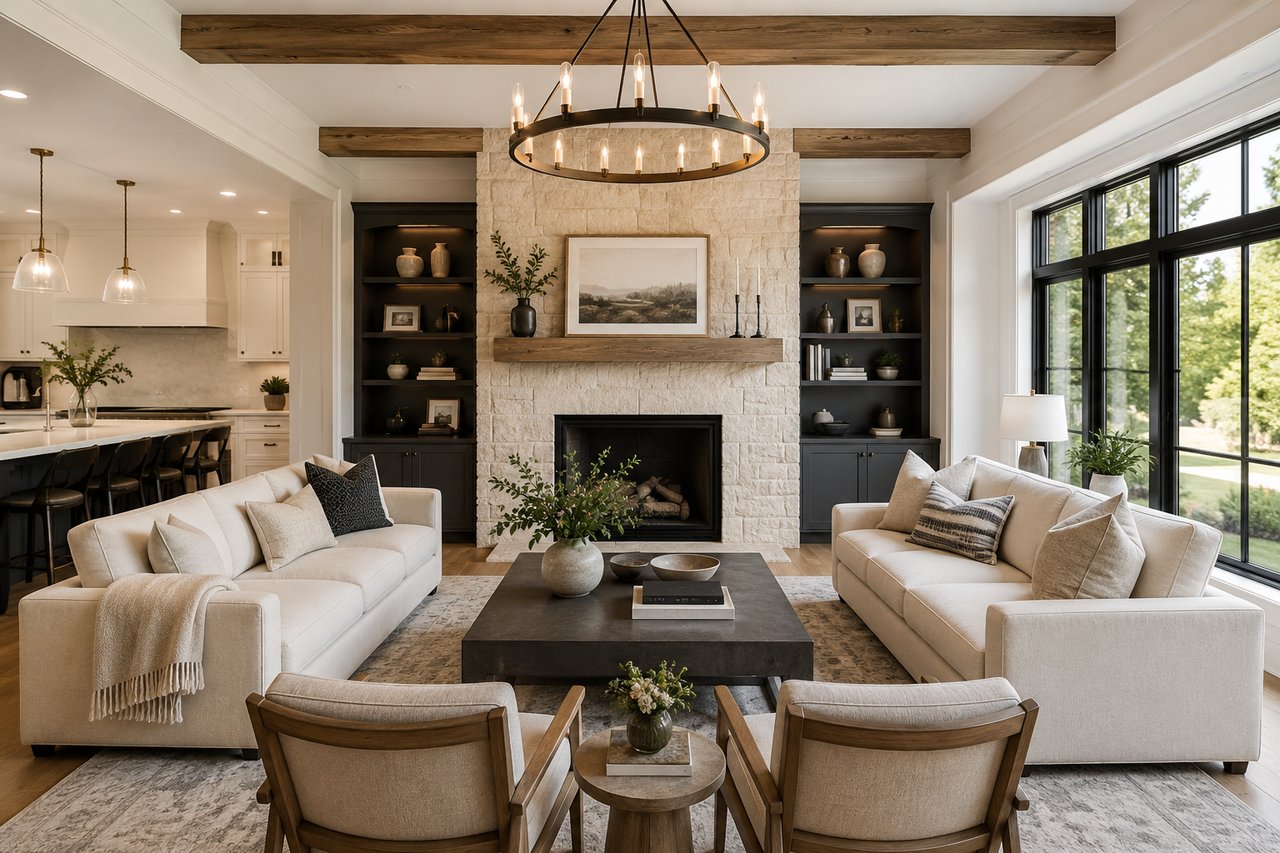
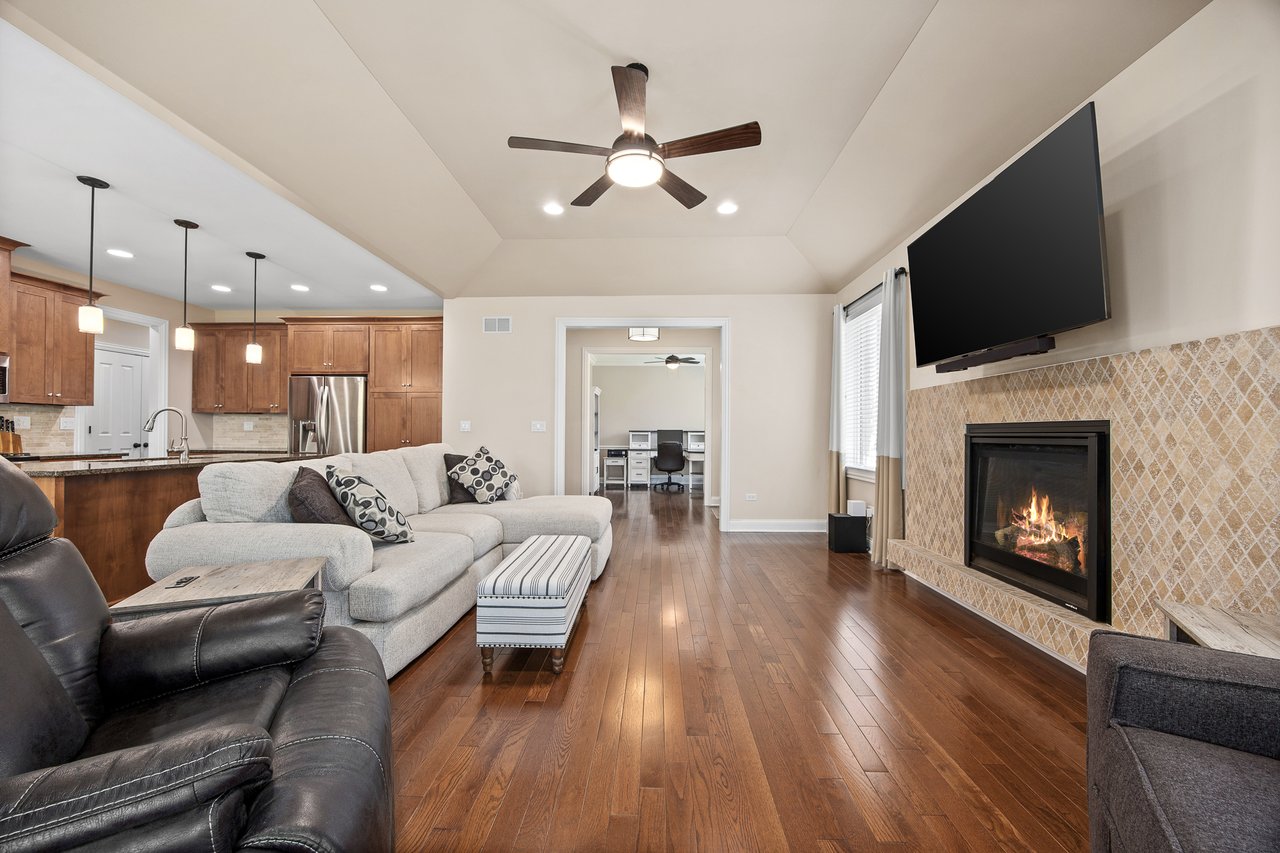
A home's condition is often one of the largest pricing differentiators. Even when two homes have the same floor plan, buyers can immediately recognize the difference between a property that has been meticulously maintained and one that feels dated or neglected. Updated kitchens and bathrooms, fresh paint, modern finishes, well-maintained mechanical systems, newer roofing, windows or siding, and quality flooring and lighting all contribute to buyer perception. Many buyers today prefer move-in-ready homes and are often willing to pay a premium to avoid the time, expense, and uncertainty of future renovations.
Presentation Can Dramatically Influence Sale Price
The way a home is presented to the market can have a major impact on its final selling price. Professional photography, staging, decluttering, and strategic marketing can make a property feel more desirable before buyers ever walk through the front door. When a home makes a strong first impression online and in person, it typically attracts more interest, generates more showings, creates stronger emotional connections, and can even lead to multiple offers. In many cases, presentation creates perceived value that directly translates into a higher sale price.
Location Differences Within the Same Neighborhood Matter
Not all locations within a neighborhood are created equal. Two homes may share the same subdivision, but subtle location advantages can significantly influence buyer demand. Properties situated on cul-de-sacs, backing to open space or parks, offering greater walkability to schools, restaurants, or downtown areas, experiencing less traffic exposure, or providing better views and privacy often command stronger interest from buyers. These factors may seem minor at first glance, but they frequently have a meaningful impact on a home's market value.
In communities like Downers Grove and surrounding suburbs, buyers often place a premium on convenience, lifestyle, and neighborhood appeal. Even a small difference in location can influence how much a buyer is willing to pay.
Timing Can Affect Home Values
The market is constantly changing, which means timing can play a major role in determining a home's sale price. A property that sold six months ago may have entered the market under completely different conditions than a similar home listed today. Interest rate changes, seasonal buyer demand, housing inventory levels, economic conditions, and local market trends all influence how buyers respond to available homes.
In competitive markets, strong demand can push prices upward. In slower market conditions, sellers may need to price more aggressively to attract attention. Understanding current market dynamics is essential when determining a home's true value.
Buyer Emotions Play a Bigger Role Than Many People Realize
Real estate decisions are not made solely with spreadsheets and logic. Buyers often make emotional decisions based on how a home makes them feel. A property that feels bright, welcoming, and move-in ready may attract significantly more interest than a similar home that feels cluttered, outdated, or poorly maintained.
This emotional response can lead to stronger offers and, in some cases, bidding wars that drive prices beyond what sellers initially expected. The ability to create an emotional connection is one reason why preparation and presentation matter so much.
The Accuracy of Pricing Strategy Is Critical
Perhaps the most overlooked factor is pricing itself. Many homeowners assume that pricing a home higher leaves room for negotiation, but the opposite can often be true. An overpriced home may sit on the market longer, lose momentum, and eventually sell for less than it might have if it had been priced correctly from the beginning.
A strategic pricing plan helps generate immediate interest, increase showing activity, create urgency among buyers, encourage multiple offers, and ultimately maximize the final sale price. The first few weeks on the market are often the most important, making proper pricing one of the most valuable tools a seller has.
Frequently Asked Questions
Why would two homes with the same floor plan sell for different prices?
Even when homes share the same layout, differences in condition, updates, presentation, location within the neighborhood, market timing, and buyer demand can lead to dramatically different sale prices.
Do home improvements always increase value?
Not necessarily. Some improvements provide stronger returns than others. Updated kitchens, renovated bathrooms, curb appeal enhancements, and major maintenance items tend to have the greatest impact on buyer perception and overall value.
Does staging really help a home sell for more?
In many cases, yes. Staging helps buyers visualize the space, creates emotional appeal, and can make a home feel more move-in ready, which often increases buyer interest.
How can I determine my home's true market value?
The most accurate way is through a professional comparative market analysis that evaluates recent sales, current competition, property condition, location advantages, and local market trends.
While two homes may look nearly identical on paper, buyers rarely evaluate properties based solely on square footage or bedroom count. Condition, presentation, location, timing, buyer psychology, and pricing strategy all play important roles in determining what a home is ultimately worth.
For homeowners in Downers Grove and surrounding communities, understanding these factors can help maximize value and avoid costly pricing mistakes. Working with an experienced local real estate professional who understands market trends and buyer behavior can make a significant difference in the final outcome.
At The Glover Team, Sabrina Glover helps homeowners navigate these nuances every day, providing expert guidance on pricing, preparation, and marketing strategies that position homes for success in today's market.