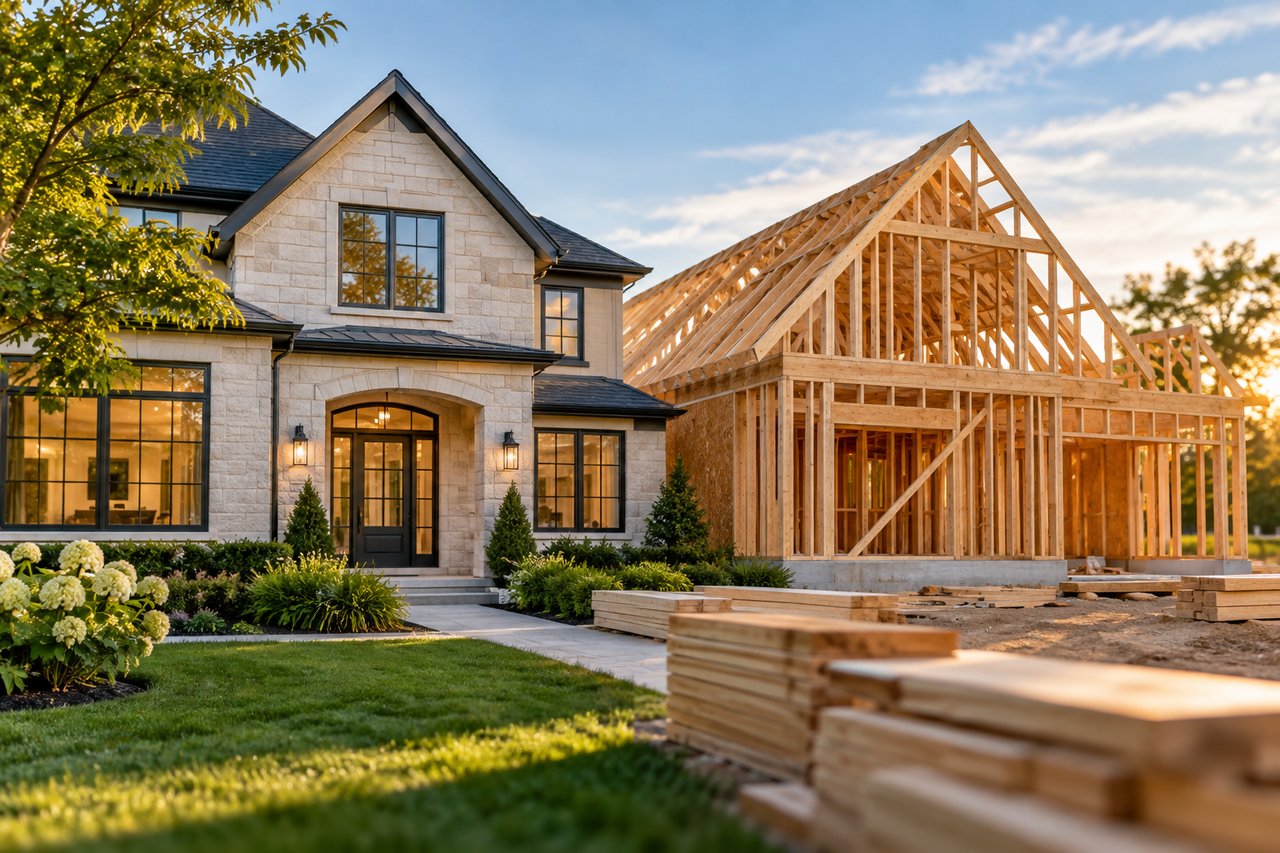
Why Your Home's Market Value and Replacement Cost Are Completely Different
Market Value and Replacement Cost Measure Two Very Different Things
If your home has a market value of $600,000 but your insurance paperwork says it could cost $750,000 to rebuild, you might wonder which number is correct.
The answer could be both.
Market value and replacement cost measure completely different things. Understanding the difference is important whether you are thinking about selling, reviewing your homeowners insurance, or simply trying to understand what your property is worth.
What Is Your Home's Market Value?
Market value is the amount a buyer may reasonably be willing to pay for your property in the current real estate market.
It considers the entire property, including the home, land, location, condition, recent comparable sales, neighborhood demand, nearby amenities, school district, and current competition among buyers and sellers.
This is why two similar homes can have very different market values depending on where they are located.
When you are preparing to sell, market value is the number that matters most when developing your pricing strategy.
What Is Replacement Cost?
Replacement cost focuses on what it could cost to rebuild your home if it were seriously damaged or destroyed.
Instead of looking at comparable home sales, replacement cost considers construction related expenses such as labor, building materials, square footage, finishes, roofing, kitchens, bathrooms, permitting, debris removal, and current building requirements.
The land itself is generally not something that needs to be rebuilt, which is one of the biggest reasons replacement cost and market value can differ.
Why Can Replacement Cost Be Higher Than Market Value?
Rebuilding a home can be surprisingly expensive.
Construction costs can increase because of higher material prices, labor shortages, contractor availability, updated building codes, and specialized finishes.
For example, a home might reasonably sell for $500,000 while costing $600,000 to reconstruct. That does not mean the home should be listed for $600,000. It simply means the cost of rebuilding the structure is different from what buyers are currently willing to pay for the property.
Can Market Value Be Higher Than Replacement Cost?
Yes.
Location can add significant value to a property without dramatically changing what the house itself costs to rebuild.
A home in a highly desirable neighborhood may command a premium because buyers value the land, schools, convenience, neighborhood character, and limited availability of homes in that location.
The structure might cost $500,000 to rebuild while the complete property could sell for considerably more.
This is why market value answers the question, "What might a buyer pay for this property?"
Replacement cost answers, "What might it cost to rebuild this house?"
Is Market Value the Same as Assessed Value?
No. Assessed value is another number homeowners often see, particularly on property tax documents.
The assessed value is established according to local property tax rules. It should not automatically be treated as your home's current selling price.
A property can therefore have a market value, replacement cost, and assessed value that are all different because each number serves a different purpose.
Which Value Matters When Selling Your Home?
If you are considering selling, your home's current market value is what matters most.
A strong market valuation considers recent comparable sales, competing listings, property condition, improvements, location, and current buyer behavior.
Online estimates can provide a starting point, but they may not recognize the details that buyers notice when comparing one property with another.
Sabrina Glover and The Glover Team help homeowners evaluate those details alongside current market activity to develop a clearer picture of what a home could realistically sell for.
Should Your Homeowners Insurance Match Your Market Value?
Not necessarily.
Insurance coverage is generally concerned with the potential cost of repairing or rebuilding your home according to the terms of your policy. Market value is concerned with what the property could sell for.
Because insurance needs vary by home and policy, homeowners should review replacement cost estimates and coverage questions with a qualified insurance professional, especially after completing significant renovations or additions.
The Bottom Line
Your home's market value and replacement cost are not supposed to answer the same question, so there is no reason to expect them to be identical.
Market value helps you understand what buyers may pay for your property. Replacement cost helps estimate what rebuilding the home could require.
If you are wondering what your home could realistically sell for in today's market, Sabrina Glover and The Glover Team can provide a more personalized look at your property, recent comparable sales, and the factors currently influencing buyer demand.