Small Issues That Could Cost Homeowners Thousands When It’s Time to Sell
Your home is one of your biggest investments, but protecting its value takes more than keeping up with the mortgage. Some of the biggest threats to your home's resale value are easy to overlook, especially when they develop gradually.
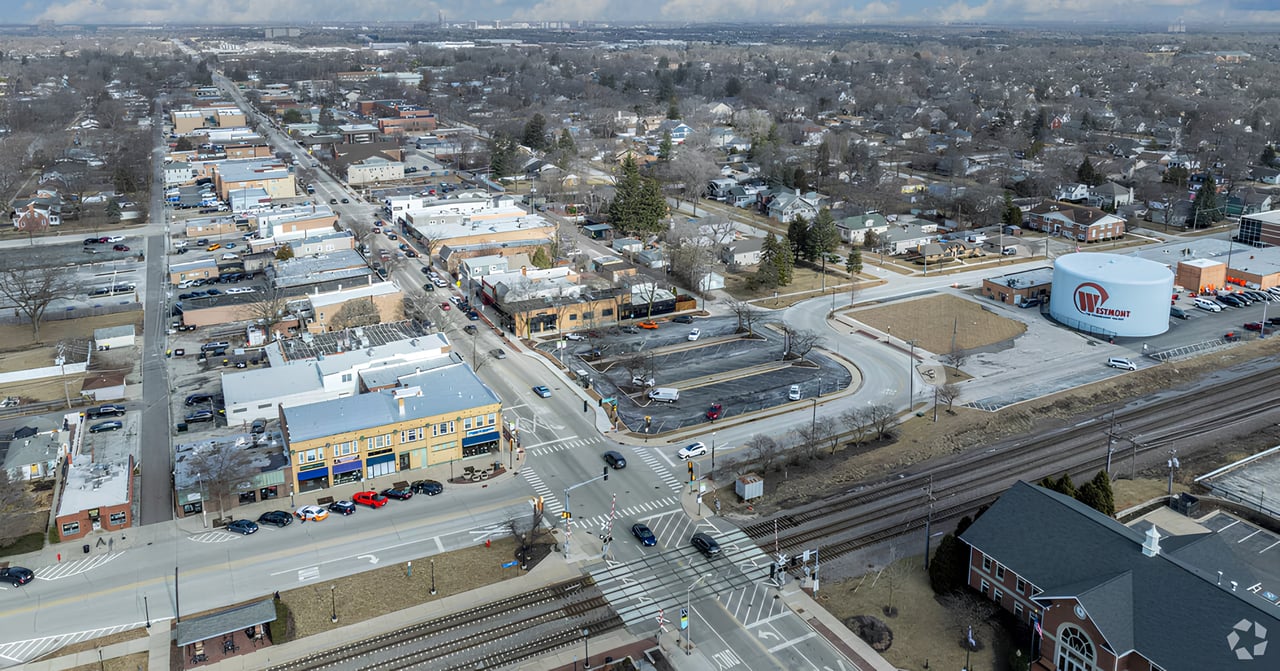
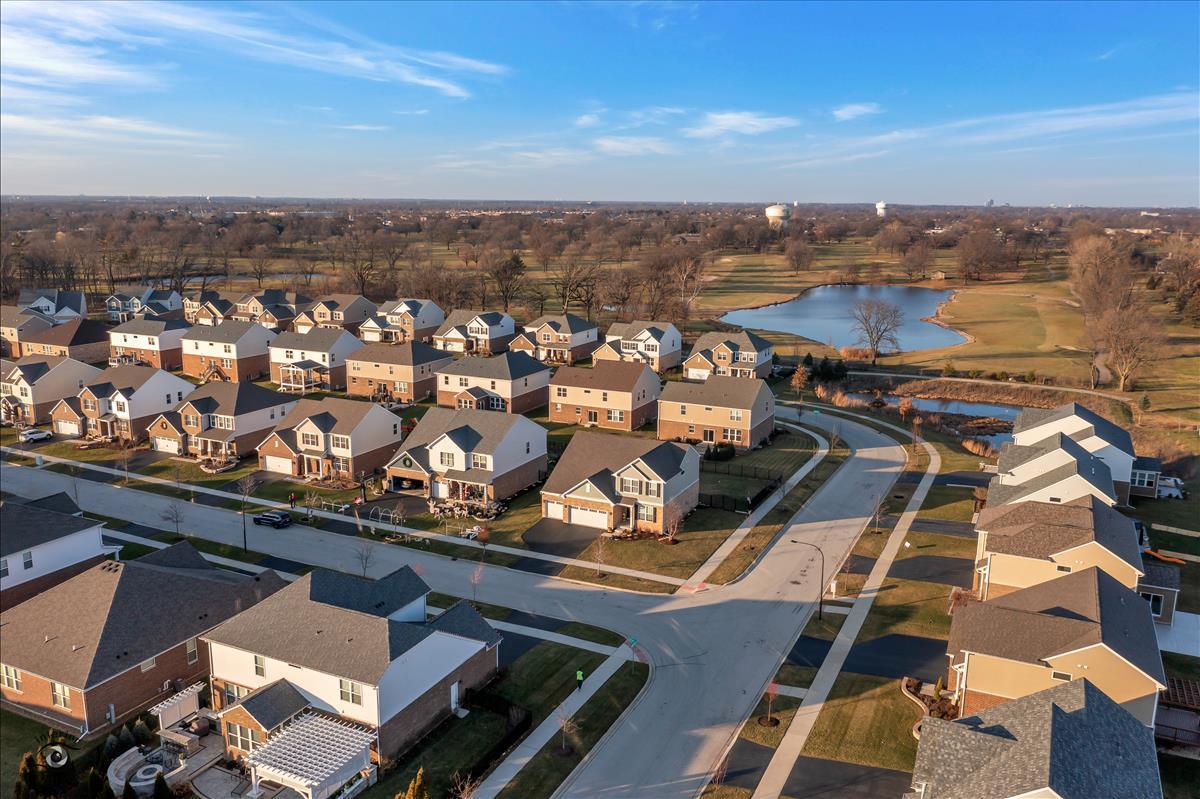
Whether you own a home in Downers Grove, Lisle, Lombard, or the surrounding suburbs, understanding what affects property value can help you avoid costly surprises when it's time to sell.
Here are seven things that could be quietly lowering your home's value and what you can do about them.
1. Putting Off Small Maintenance Issues
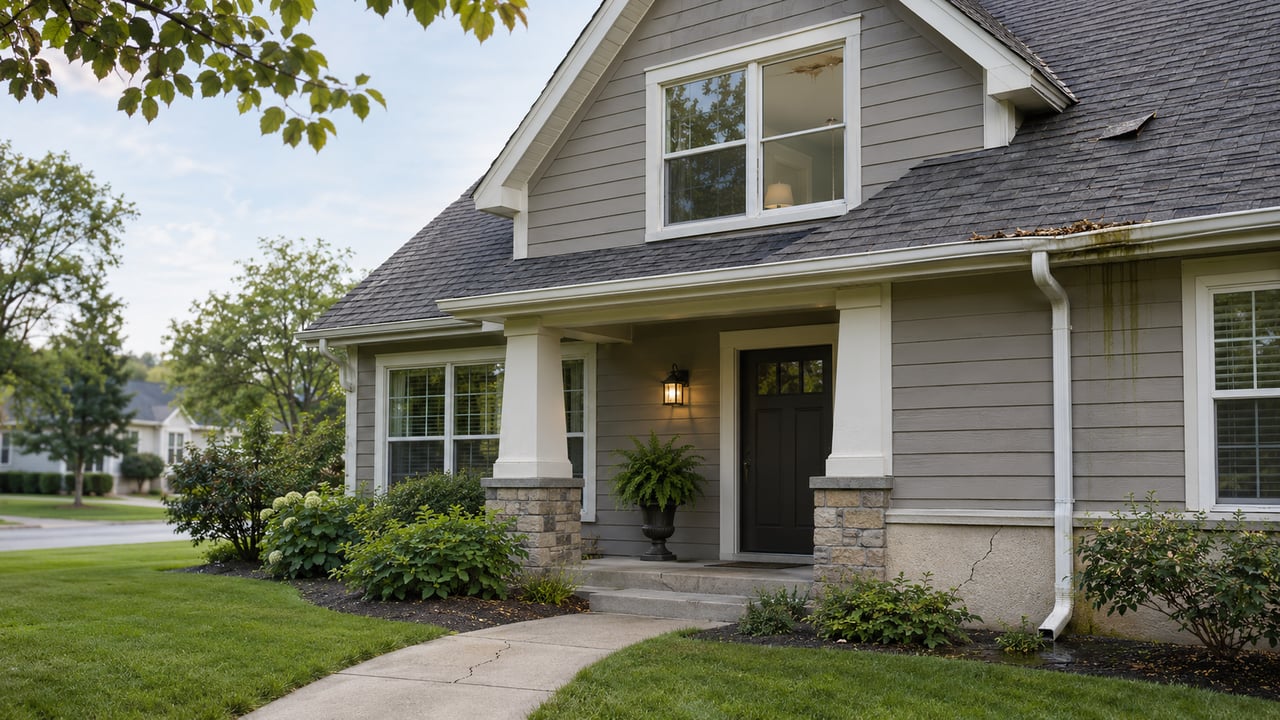
A dripping faucet, cracked caulk, or peeling paint might not seem urgent, but small maintenance problems can add up over time.
Buyers often notice these details during showings. Even minor signs of neglect can make them wonder whether larger issues have been overlooked.
What to do: Stay on top of routine maintenance, especially plumbing, roofing, HVAC systems, and exterior repairs. Addressing problems early can help prevent more expensive repairs later.
2. Outdated Kitchens and Bathrooms
Kitchens and bathrooms are two of the most closely evaluated spaces when buyers tour a home.
While a complete renovation isn't always necessary, worn countertops, dated fixtures, aging cabinets, and poor lighting can make a property feel less appealing compared to updated homes nearby.
What to do: Focus on improvements that make a noticeable difference without overspending. Fresh cabinet hardware, modern lighting, updated faucets, and neutral finishes can help refresh these spaces.
3. Neglecting Your Home's Curb Appeal
First impressions matter in real estate. An overgrown yard, damaged driveway, faded front door, or poorly maintained landscaping can affect how buyers perceive your home before they even step inside.
In established communities like Downers Grove, where tree-lined streets and well-maintained neighborhoods are part of the appeal, exterior presentation can make a meaningful difference.
What to do: Keep landscaping tidy, maintain walkways, clean exterior surfaces, and refresh your entryway when needed.
4. Making Highly Personalized Design Choices
Your home should reflect your personality, but certain design decisions can make it harder for future buyers to picture themselves living there.
Bold wall colors, unusual flooring, overly themed rooms, or permanent custom features may appeal to a smaller group of buyers.
What to do: You don't need to eliminate your personal style. However, if you're planning to sell, consider neutral finishes and versatile spaces that appeal to a broader audience.
5. Ignoring Water Damage and Moisture Problems
Water damage is one of the most concerning issues buyers can encounter during a home inspection.
Basement moisture, roof leaks, poor drainage, and plumbing problems can lead to expensive repairs and raise concerns about the home's overall condition.
This is especially important in the Chicago suburbs, where seasonal rain, snowmelt, and freeze-thaw cycles can put additional stress on homes.
What to do: Regularly inspect your basement, gutters, roof, and foundation. Address drainage issues and signs of moisture before they develop into larger problems.
6. Taking on Renovations That Don't Match the Neighborhood
Not every home improvement increases property value by the amount spent.
Installing luxury finishes or making major additions may improve your enjoyment of the home, but buyers might not pay significantly more if those upgrades exceed what's typical for the surrounding neighborhood.
For example, a highly customized kitchen in a neighborhood of moderately priced homes may not deliver the return a homeowner expects.
What to do: Before starting a major renovation, compare your plans with nearby properties and recent comparable sales. A local real estate professional can help identify which improvements are most likely to appeal to buyers in your market.
7. Overlooking Your Home's Overall Presentation
Even a well-maintained home can struggle to make a strong impression if it feels dark, crowded, or poorly organized.
Excess furniture, limited natural light, lingering odors, and clutter can make rooms feel smaller and distract buyers from a property's best features.
What to do: Declutter regularly, maximize natural light, and keep spaces clean and functional. If you're preparing to sell, thoughtful staging can help highlight your home's layout and potential.
What Has the Biggest Impact on Your Home's Resale Value?
While these seven factors can influence buyer interest, a home's value ultimately depends on several considerations, including location, condition, size, layout, and comparable sales.
According to the National Association of Realtors, buyers consider a property's condition and features alongside its location and price when making purchasing decisions.
The key is knowing which improvements matter most in your specific market. What appeals to buyers in Downers Grove may differ from what buyers prioritize in neighboring communities.
Protect Your Home's Value Before It's Time to Sell
Maintaining your home's value doesn't always require major renovations or expensive upgrades. Often, consistent maintenance, thoughtful improvements, and attention to small details can make the biggest difference.
If you're wondering what your home is worth or which updates could help maximize its resale potential, Sabrina Glover of The Glover Team can provide guidance based on local market conditions and buyer expectations throughout Downers Grove and the surrounding suburbs.
Understanding your home's position in today's market is a smart first step toward protecting your investment.