Why Downers Grove Is Studying Housing Attainability and How Local Residents Can Help Shape the Future
Downers Grove is in the middle of one of the most important long-term planning conversations the community has seen in years. This spring, the Village officially launched its Attainable Housing Study, a major initiative designed to better understand housing costs, inventory challenges, demographic shifts, and long-term housing needs across the community. The study is being conducted in partnership with the Metropolitan Mayors Caucus through its Homes for a Changing Region program. Earlier this month, Sabrina Glover of The Glover Team participated in the Village’s Expert Panel as the Downers Grove Real Estate Expert, joining local leaders, housing professionals, and regional stakeholders in discussions about the evolving housing landscape in Downers Grove. For residents, buyers, sellers, and families considering a move to the area, this study represents far more than a planning exercise. It is a direct response to the rapid changes that have reshaped the local housing market over the last several years.
What Is the Downers Grove Attainable Housing Study?
The Village identified an attainable housing study as a Priority Action Item within its Long Range Plan 2025-2027. The purpose of the study is to evaluate:
- Housing costs
- Inventory availability
- Housing affordability pressures
- Demographic housing needs
- Long-term development strategies
- Community preferences regarding future housing options
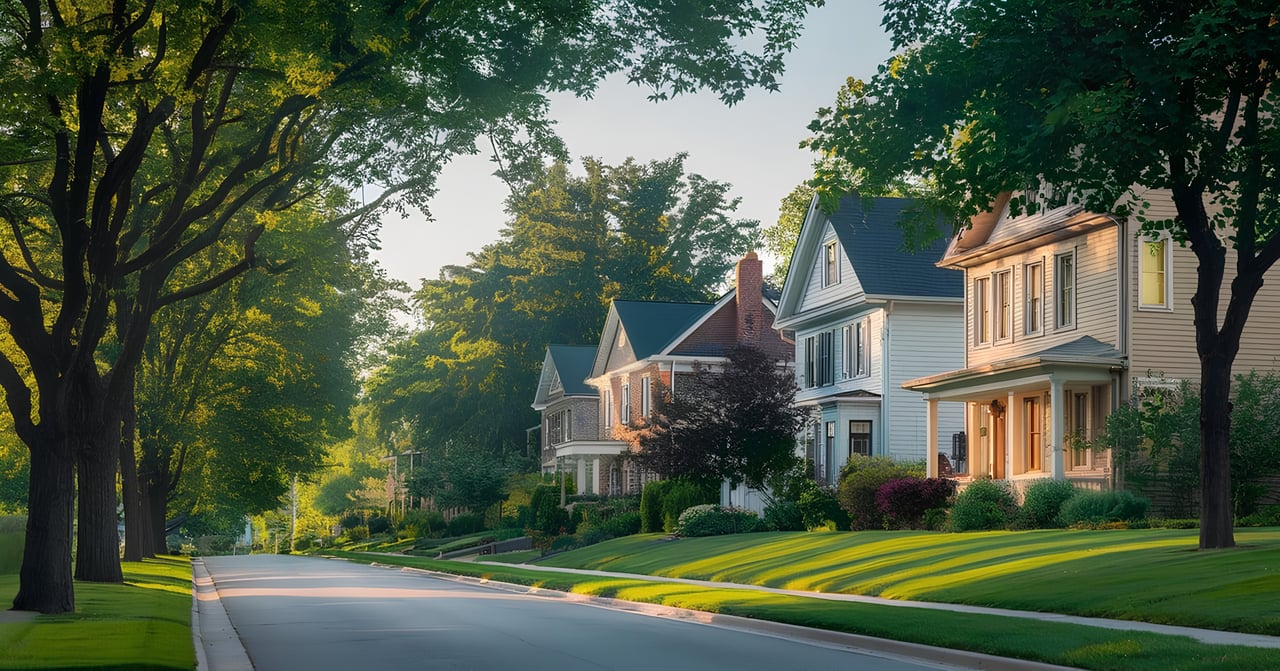
The Village has emphasized that the goal is not large-scale transformation of neighborhood character. Instead, the study focuses on understanding how housing needs are changing and identifying practical, community-sensitive solutions that preserve what residents value most about Downers Grove. The process includes:
- Market data analysis
- Public surveys
- Focus groups
- Expert panel discussions
- Community engagement sessions
- Final recommendations presented to Village Council
Why This Study Matters Right Now
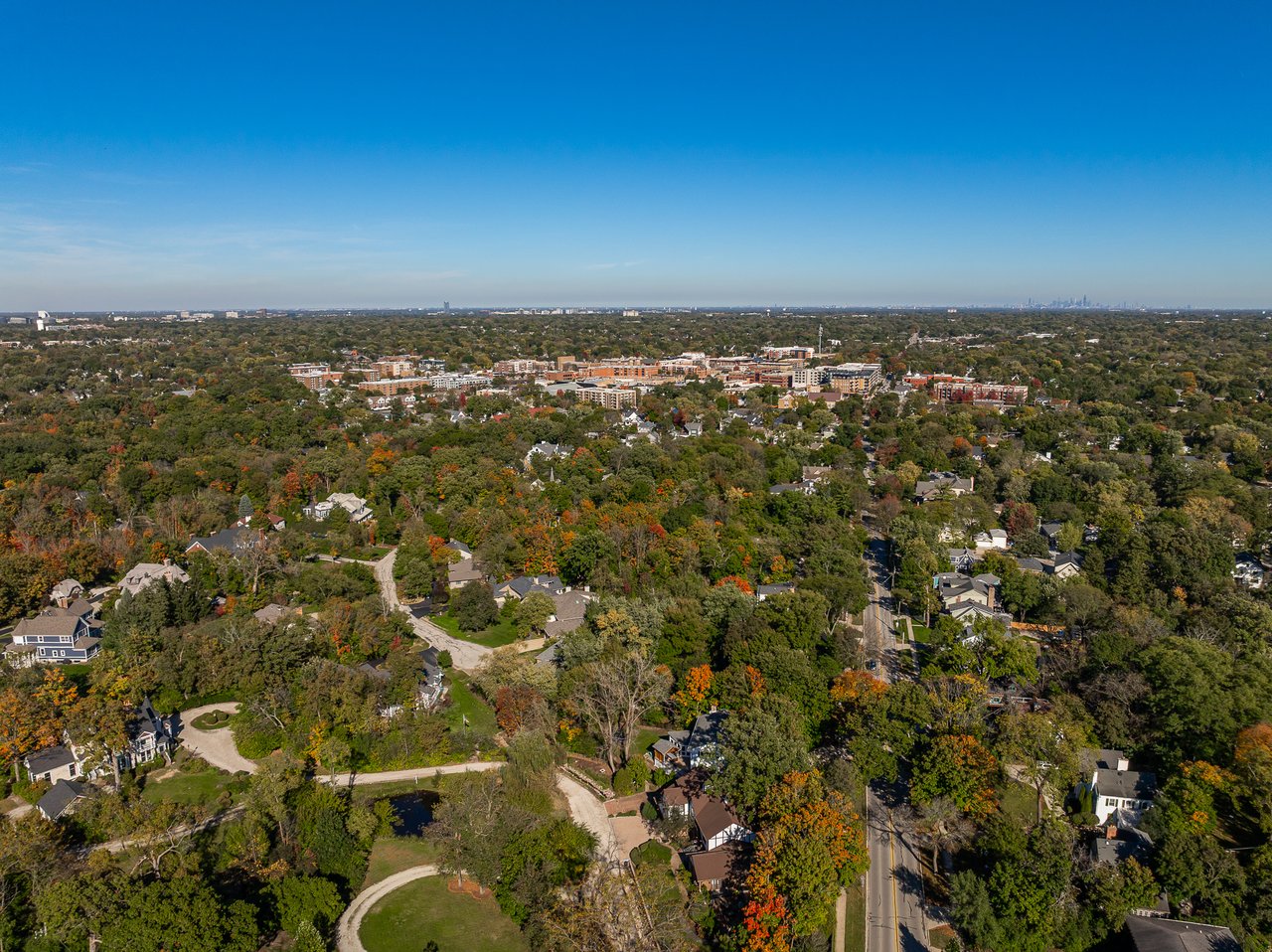
Downers Grove remains one of the most sought-after suburban communities in the western suburbs because of its schools, downtown, parks, train access, and overall quality of life. At the same time, the market has become significantly more competitive and expensive. Over the past several years, home values have risen sharply, with median detached home prices now well above the mid-$500,000 range in many segments of the market. Inventory remains tight, and available housing options for middle-income buyers have become increasingly limited. This affects several important groups within the community:
- First-time buyers
- Young families
- Teachers and healthcare workers
- Police officers and municipal employees
- Seniors looking to downsize
- Adult children hoping to remain near family
- Local workforce employees commuting into the Village
The conversation is increasingly centered around attainable housing rather than traditional affordable housing. In practical terms, attainable housing refers to homes that are realistically within reach for middle-income households who want to live and work in the community.
The Growing Inventory Challenge in Downers Grove
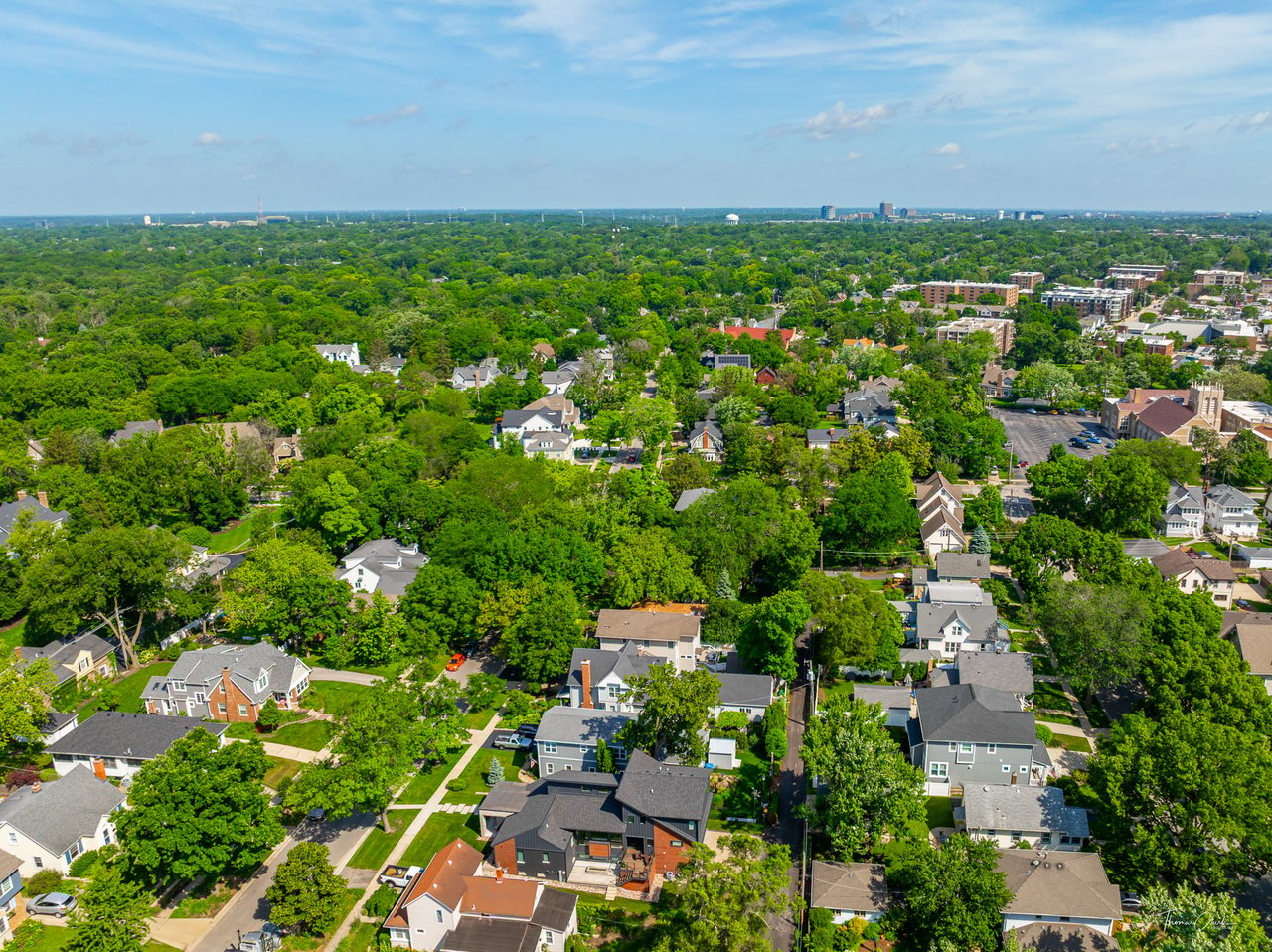
One of the key issues driving the study is the reality that Downers Grove is a mature, largely built-out suburb. Unlike rapidly expanding outer-ring communities, there are limited opportunities for large-scale new residential development. That creates several ongoing pressures:
- Limited starter-home inventory
- Fewer downsizing opportunities
- Increased competition among buyers
- Rising land values
- Continued tear-down and luxury redevelopment activity
In many neighborhoods, smaller homes that once served as entry-level housing are being replaced with substantially larger and more expensive properties. While redevelopment has strengthened property values in many areas, it has also reduced the number of moderately priced homes available to buyers. This is one reason housing attainability has become such a significant local conversation.
“Missing Middle” Housing Will Likely Be a Major Topic
A major discussion point tied to the study is the concept of “missing middle” housing. This typically includes housing options such as:
- Townhomes
- Duplexes
- Cottage courts
- Smaller-scale multifamily housing
- Senior-oriented maintenance-free communities
- Transit-oriented housing near downtown and train stations
Historically, these housing types helped bridge the gap between detached single-family homes and large apartment developments. However, many suburban zoning structures throughout the region now limit where and how these options can be developed. For Downers Grove, the challenge is balancing housing diversification with community priorities such as:
- Neighborhood character
- Parking availability
- Traffic concerns
- Stormwater infrastructure
- School impacts
- Long-term redevelopment planning
Based on current Village discussions, the focus appears to be on strategic and context-sensitive planning rather than broad high-density expansion.
The Village’s Emphasis on Local Control
Another important component of the conversation is local zoning authority. In May 2026, the Village Council formally passed a resolution opposing state-mandated zoning changes tied to broader BUILD legislation proposals. Village leadership emphasized the importance of maintaining local flexibility regarding development decisions and infrastructure planning. That position signals that future housing recommendations will likely focus on:
- Incremental housing diversification
- Carefully planned redevelopment
- Infrastructure-conscious growth
- Preservation of neighborhood identity
- Community-driven implementation strategies
This mirrors what many established suburban communities throughout the Chicago region are currently facing as they work to balance housing demand with long-term community planning goals.
Public Input Will Shape the Final Recommendations
One of the most important parts of the study is the public engagement process. The Village recently hosted focus groups with:
- Realtors
- Employers
- School district administrators
- Community organizations
- Housing stakeholders
- Regional planning experts
An anonymous public survey is also currently open to anyone who lives or works in Downers Grove. The survey asks residents about:
- Housing preferences
- Community priorities
- Current housing challenges
- Desired future housing options
- Long-term community planning perspectives
Because housing needs vary significantly depending on age, lifestyle, and household structure, broad community participation is critical. For example:
- Younger buyers may prioritize smaller ownership opportunities
- Seniors may prioritize accessibility and maintenance-free living
- Employers may focus on workforce retention
- Families may prioritize school district access
- Long-term residents may prioritize preservation and infrastructure management
The final report will likely attempt to identify where these priorities overlap and what practical solutions may fit the community long-term.
How Downers Grove Residents Can Participate
The Village’s Attainable Housing Survey is currently open through June 12, 2026. Residents and those who work in Downers Grove can complete the survey online through the Village’s official housing study page. Printed surveys are also available at the Civic Center located at 850 Curtiss Street. Community participation will play a major role in shaping future recommendations and helping Village leadership better understand evolving housing needs across Downers Grove.
The Take-away
Housing conversations are becoming increasingly important throughout suburban Chicago, and Downers Grove is taking a proactive approach by studying how changing demographics, inventory limitations, and rising home prices are affecting the community. As someone actively involved in the local market every day, Sabrina Glover was honored to participate on the Village’s Expert Panel and contribute real-world insight regarding today’s housing challenges, buyer trends, and long-term market pressures. The outcome of this study could help shape future housing opportunities in Downers Grove for years to come while preserving the character, walkability, schools, and neighborhood identity that continue to make the community one of the most desirable places to live in the western suburbs.