Market Value vs. Asking Price: What Home Buyers and Sellers Should Know
The Difference Between Market Value and Asking Price
When a home goes on the market, the asking price is usually the first number everyone notices. But that number does not necessarily tell you what the property is actually worth. Asking price is what the seller hopes to receive, while market value reflects what buyers are likely willing to pay based on current conditions.
Understanding the difference is important whether you are buying or selling. Sellers need a realistic view of value before choosing a price, while buyers need to know whether a listing price makes sense before deciding what to offer.
What Is the Asking Price of a Home?
The asking price, also called the list price, is the amount a seller chooses when putting a home on the market. Ideally, that number is based on comparable sales, current competition, the home's condition, location, and buyer demand.
Still, asking price is ultimately a pricing decision. A seller may price higher because of recent improvements or leave room for negotiation. Another seller may choose a more competitive price to attract attention quickly. This is why the asking price should be viewed as a starting point rather than an automatic measure of value.
What Does Market Value Mean in Real Estate?
Market value is what a property is reasonably expected to sell for under current market conditions. It takes into account recent comparable sales, location, condition, size, features, available inventory, and the level of buyer demand.
Market value can also change. A home may be worth more or less six months from now depending on inventory, interest rates, economic conditions, and buyer activity. That is why current market information is so important when evaluating a property.
Is Asking Price the Same as Market Value?
No. Asking price and market value are related, but they are not the same thing. The asking price is chosen by the seller, usually with guidance from a real estate agent. Market value is shaped by what buyers are willing to pay in the current market.
Sometimes those numbers are very close. In other cases, a home may be intentionally priced below its expected value to encourage competition, or it may be listed above what comparable sales suggest buyers are likely to pay.
Can a Home Sell Above the Asking Price?
Yes. Homes can sell above asking price when buyer demand is strong, especially if several buyers are competing for the same property. For example, a home listed at $500,000 could receive multiple offers and ultimately sell for $520,000 if buyers believe the property is worth competing for.
This is why a seller does not always need the highest possible asking price to achieve a strong result. The right pricing strategy can attract more attention and, depending on market conditions, create competition among qualified buyers.
Can a Home Sell Below the Asking Price?
A home can also sell for less than its asking price. If a property is listed at $700,000 but comparable homes are selling closer to $650,000, buyers may have difficulty justifying the higher number unless the property offers something significantly better.
When a home sits on the market without strong interest, sellers may receive lower offers or eventually adjust the price. The market often provides useful feedback about whether buyers see value at the original asking price.
What Actually Determines a Home's Market Value?
There is no single factor that determines what a home is worth. Location, condition, size, layout, renovations, lot characteristics, neighborhood appeal, and nearby amenities can all influence value. Recent comparable sales are also an important part of understanding what buyers have been willing to pay for similar properties.
Current competition matters just as much. When there are fewer homes available and plenty of interested buyers, sellers may have greater pricing power. When buyers have many similar properties to choose from, they can afford to be more selective.
How Do Real Estate Agents Estimate a Home's Value?
Real estate agents typically use a comparative market analysis to evaluate a home. This involves looking at recently sold properties with similar characteristics, along with homes that are currently listed or under contract.
A strong analysis goes beyond price per square foot. Two homes of similar size can sell for very different amounts because of condition, renovations, location, layout, lot quality, and overall buyer appeal. Local market knowledge helps put those differences into context.
Are Online Home Value Estimates Accurate?
Online home value tools can be useful for getting a general idea of what a property might be worth, but they should not be treated as a final valuation. Automated estimates rely heavily on available property records, previous sales, and mathematical models.
What they may not fully capture is the home's current condition, quality of renovations, layout, views, lot characteristics, or other details buyers notice when they walk through a property. For homeowners considering a sale, an online estimate is a starting point, not a substitute for a detailed market analysis.
Why Pricing a Home Too High Can Backfire
It can be tempting to start with a higher asking price and reduce it later if necessary. The problem is that buyers can quickly compare a new listing with other homes in the same price range. If the value is not clear, they may simply move on.
The first period after a home is listed can be especially important because that is when a new property often receives significant attention from active buyers. Pricing strategically from the beginning can help a home compete more effectively and attract serious interest.
Why Buyers Should Look Beyond the Asking Price
Buyers should not assume that a home is a good deal simply because it is listed at a certain price. A $600,000 property might be attractively priced if similar homes are selling for more. Another home listed for the same amount could be overpriced compared with recent sales and current competition.
Instead of focusing only on how much above or below asking price to offer, buyers should ask a more useful question: What does the current market suggest this property is worth? Comparable sales, property condition, competition, and personal priorities can all help answer that question.
Asking Price vs. Market Value vs. Appraised Value
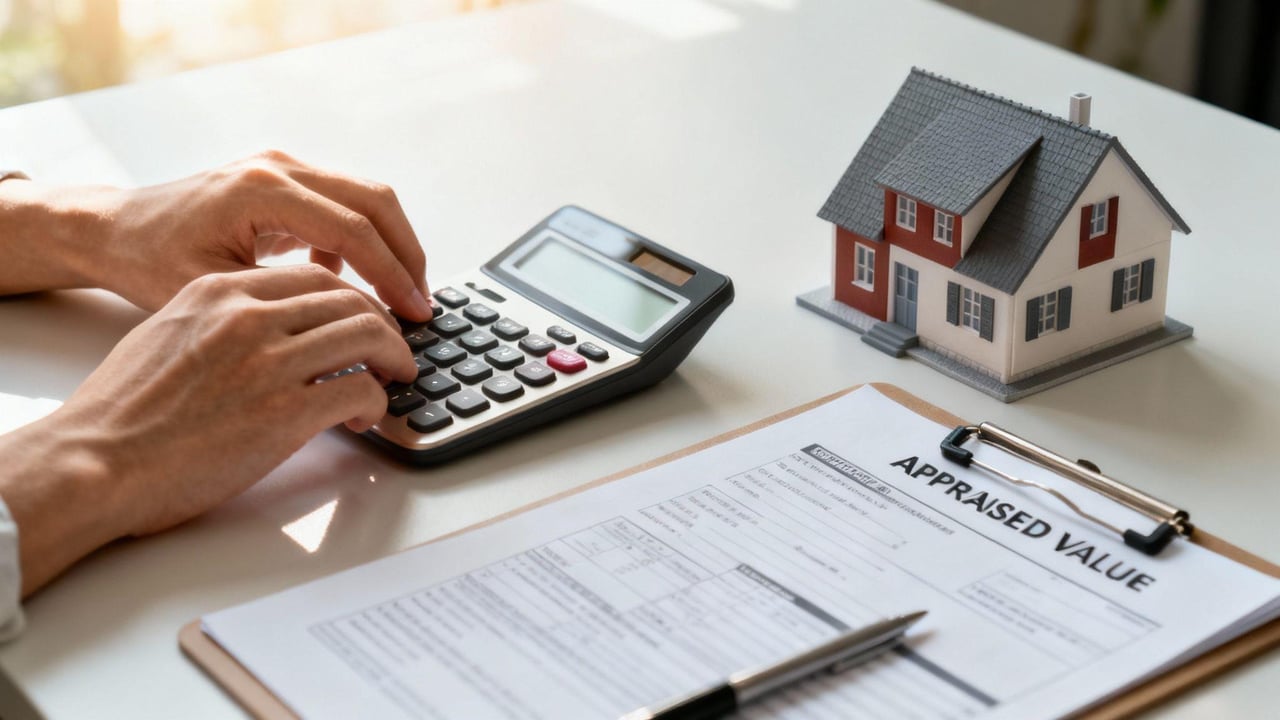
There is another number buyers and sellers may encounter during a transaction: the appraised value. Asking price is what the seller requests, market value reflects what the current market is likely to support, and appraised value is an independent opinion of value typically prepared for a lender.
These three numbers do not always match. A home could be listed at $500,000, receive an accepted offer of $515,000, and later appraise at $505,000. When financing is involved, the difference between the purchase price and appraised value may become an important part of the transaction.
Does the Seller Decide What a Home Is Worth?
A seller decides what price to ask, but buyers ultimately decide how much they are willing to pay. If buyers consistently feel a property is priced too high, the seller may receive limited interest or lower offers.
The opposite can happen when a home attracts several interested buyers. Competition can push the final sale price above the original asking price. In that sense, market value develops through the interaction between sellers, buyers, available inventory, and current market conditions.
What Is the Best Pricing Strategy for Sellers?
The best pricing strategy starts with current market evidence rather than emotion. Sellers naturally know what they have invested in their homes, but buyers compare the property with everything else available within their budget.
The goal is not simply to choose the highest asking price possible. A good strategy positions the home where buyers can recognize its value while supporting the seller's goals. That requires understanding comparable sales, current competition, buyer behavior, and the home's unique strengths.
How Can You Find Out What Your Home Is Worth?
Recent comparable sales are a good place to start, but they are only part of the picture. Current listings, buyer demand, inventory, property condition, location, and recent market activity can all affect what a home may sell for today.
Data from local Multiple Listing Services, public property records, market reports, and organizations such as the National Association of Realtors can provide useful context. Working with an experienced real estate professional can help turn that information into a realistic assessment of how a specific property may perform in the current market.
The Bottom Line on Market Value and Asking Price
The difference is fairly simple. Asking price is what a seller requests for a property. Market value is what the current market is likely to support. Sometimes they match closely, and sometimes they do not.
Whether you are preparing to sell or considering an offer on a home, understanding that distinction can help you make a more informed decision. Sabrina Glover and The Glover Team help buyers and sellers look beyond the listing price and understand the market factors that can influence a property's value. In real estate, knowing the price is useful, but understanding the value behind it is even more important.